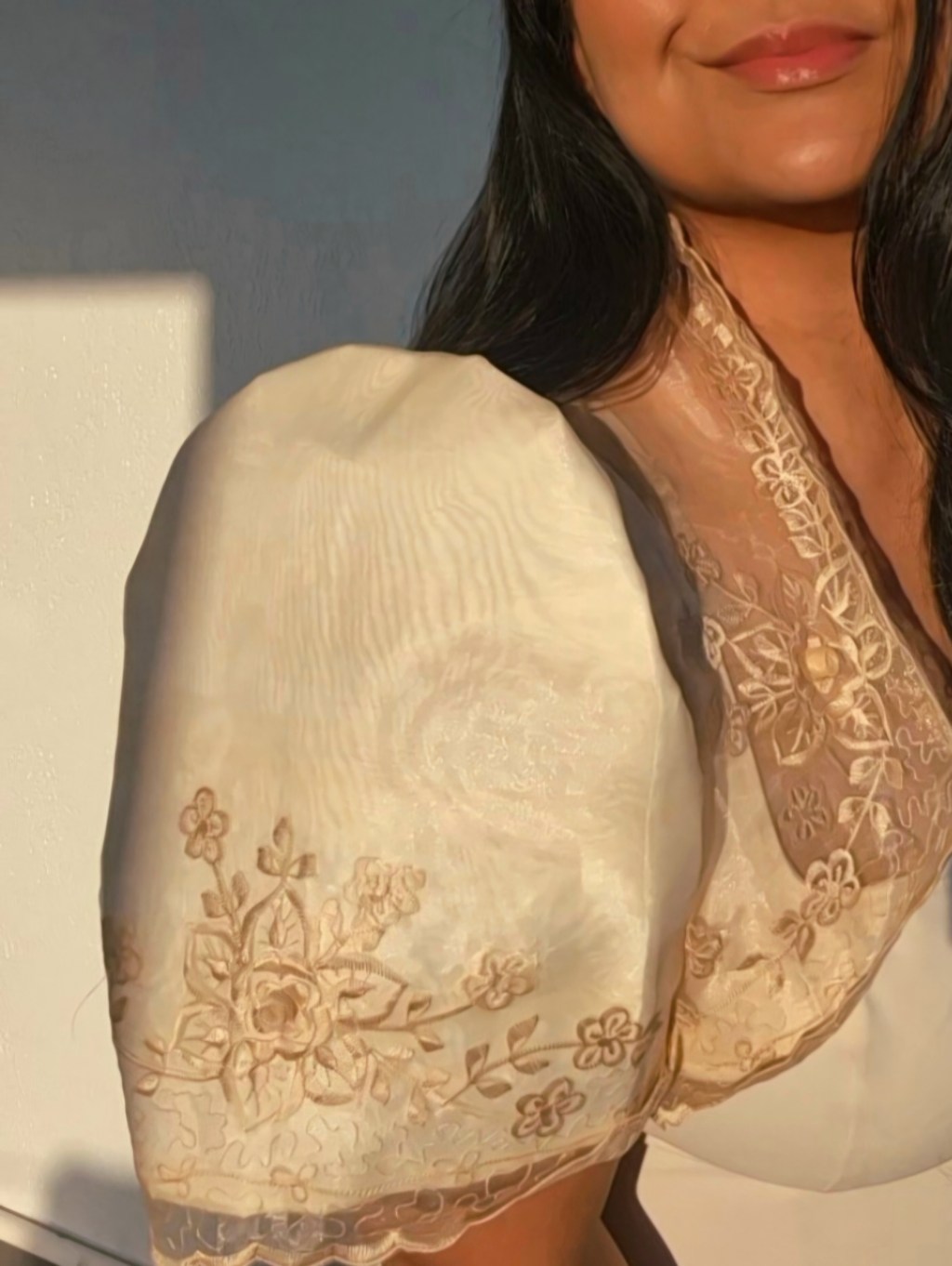
When Araw ng Kalayaan, the Philippines’ Day of Freedom, comes around I find myself reflecting on what this day truly means for someone like me: a Filipina born and raised in Australia, growing up away from the homeland that shaped my ancestors.
Living in the diaspora comes with its own unique tension. You’re not “Aussie” enough for white Australia, but you’re also “too western” for the Philippines. You learn to exist in the in‑between – always navigating, always negotiating, always trying to understand where you fit.
For a long time, I didn’t feel like I had the right to claim my own culture. I felt disconnected, unsure, and sometimes even unworthy. It’s a strange feeling to love a culture so deeply while also feeling like you’re standing at its edges.
Decolonisation as a Path Back Home
My journey of decolonising has been a slow and intentional return to my roots. The more I learn about our pre‑colonial history such as our spiritual practices, our relationship to land and community, our matriarchal roots, our rich languages, our art forms, our kapwa philosophy, the more I realise how much was taken from us, and how much still lives within us.
I often wonder what the Philippines would look like today if colonisation had never happened. Who would we be? What would our communities look like? What stories would we tell about ourselves?
But instead of sitting in the loss, I’ve learned to sit in the remembering. Because decolonisation isn’t just about looking back it’s about reclaiming what was always ours.
The Diaspora Experience: Disconnection and Belonging
Being Filipino in the diaspora can feel like holding two worlds in your hands. Some days, it feels empowering. Other days, it feels heavy. There are moments when you feel deeply connected, and moments when you feel like an outsider to your own heritage.
But here’s what I’ve learned: You are Filipino enough. Your experience is valid. Your connection is real. Your journey back to culture is yours to define.
Araw ng Kalayaan, for me, is not just about national independence, it’s about personal liberation. It’s about freeing myself from the idea that I need to perform my identity a certain way to belong. It’s about honouring my ancestors by choosing to reconnect, learn, and reclaim.
Ways to Begin Decolonising and Reconnecting With Culture
These are practices that have helped me, and may help you too. Whether you’re in the diaspora, rediscovering your roots, or simply wanting to deepen your connection to your cultural identity.
1. Allow yourself to be curious about your family story
Start with the people closest to you. Ask your parents, grandparents, titas, titos, and extended family:
- Where is our family from?
- What languages did our ancestors speak?
- What traditions or customs were passed down – or lost?
Curiosity is a powerful first step. It opens doors that may have been closed for generations.
2. Learn about pre‑colonial Philippines and kapwa philosophy
Before colonisation, our culture was rich, complex, and deeply rooted in community. Explore:
- Pre‑colonial spiritual practices
- Hand‑tapped tattoos and their meanings
- Traditional dances and what they represent
- The philosophy of kapwa
Understanding who we were before colonisation helps us understand who we can become again.
3. Challenge your western/colonial mindset
Many of the beliefs we carry about beauty, success, language, and worthiness are shaped by colonial influence. Start noticing:
- Where you shrink yourself
- Where you feel “not enough”
- Where you prioritise western ideals over your own cultural truth
Awareness is the beginning of unlearning.
4. Invite cultural practices into your daily life
Reconnection doesn’t have to be grand. It can be small, gentle, and personal:
- Learn a Filipino recipe passed down through your family
- Wear traditional clothing or accessories
- Speak or learn your language
- Join community events
- Share stories with younger generations
Culture grows through practice.
5. Support Filipino artists, creators, and businesses
Representation matters – especially in the diaspora. Follow, uplift, and support Filipino creatives. When we celebrate each other, we strengthen our collective cultural identity.
6. Give yourself grace as you learn
Reconnecting with culture is not linear. You will make mistakes. You will feel unsure. You will have moments of doubt.
But you’re learning and that is enough.
7. Remember, you ARE Filipino enough
Your identity is not measured by fluency, birthplace, or proximity. It is carried in your blood, your memory, your curiosity, your intention, and your love for your people.

 Debbie Jane Micairan
Leave a comment